

Senior Editor · Editorial staff
Nolan Achterman
Leads the publication's coverage of rosacea treatment and edits every story for accuracy and plain English.
22 stories by Nolan Achterman
 Explainer
Ivermectin Cream and the Demodex Question: What the Mechanism Actually Tells Us
Topical ivermectin has become a first-line option for papulopustular rosacea, but the reason it works is more layered than the mite story suggests. Here is a plain-English look at the evidence.
· 5 min · Nolan Achterman
 Explainer
Brimonidine vs. Oxymetazoline: What Topical Redness Reducers Actually Do, and Why Rebound Happens
Two prescription gels can erase rosacea redness for hours at a time. Understanding how they work, and how they differ, explains both their appeal and their most talked-about side effect.
· 5 min · Nolan Achterman
 Explainer
Why 40 Milligrams of Doxycycline Can Beat 100: The Case for Anti-Inflammatory Dosing in Rosacea
The most prescribed oral drug for papulopustular rosacea is an antibiotic that, at the right dose, is not acting as an antibiotic at all. Here is what the mechanism actually says, and why the distinction matters for resistance, side effects, and long-term control.
· 4 min · Nolan Achterman
 Explainer
Rebound Redness Explained: Why Brimonidine and Oxymetazoline Sometimes Backfire
Topical vasoconstrictors can erase rosacea redness within an hour, yet a subset of users report worse flushing than before. Here is the pharmacology behind the paradox and how clinicians work around it.
· 5 min · Nolan Achterman
 Explainer
Why 40 Milligrams of Doxycycline Can Calm Rosacea When Higher Doses Are Not Needed
Sub-antimicrobial dosing treats rosacea as an inflammatory disease, not an infection. Here is how the pharmacology works, what the evidence shows, and where the approach falls short.
· 5 min · Nolan Achterman
 Explainer
Why 40 Milligrams of Doxycycline Treats Rosacea Without Acting Like an Antibiotic
Sub-antimicrobial dosing sounds like a contradiction. Here is the pharmacology behind low-dose doxycycline for papulopustular rosacea, what it can and cannot do, and how it compares to the standard 100 milligram approach.
· 4 min · Nolan Achterman
 Explainer
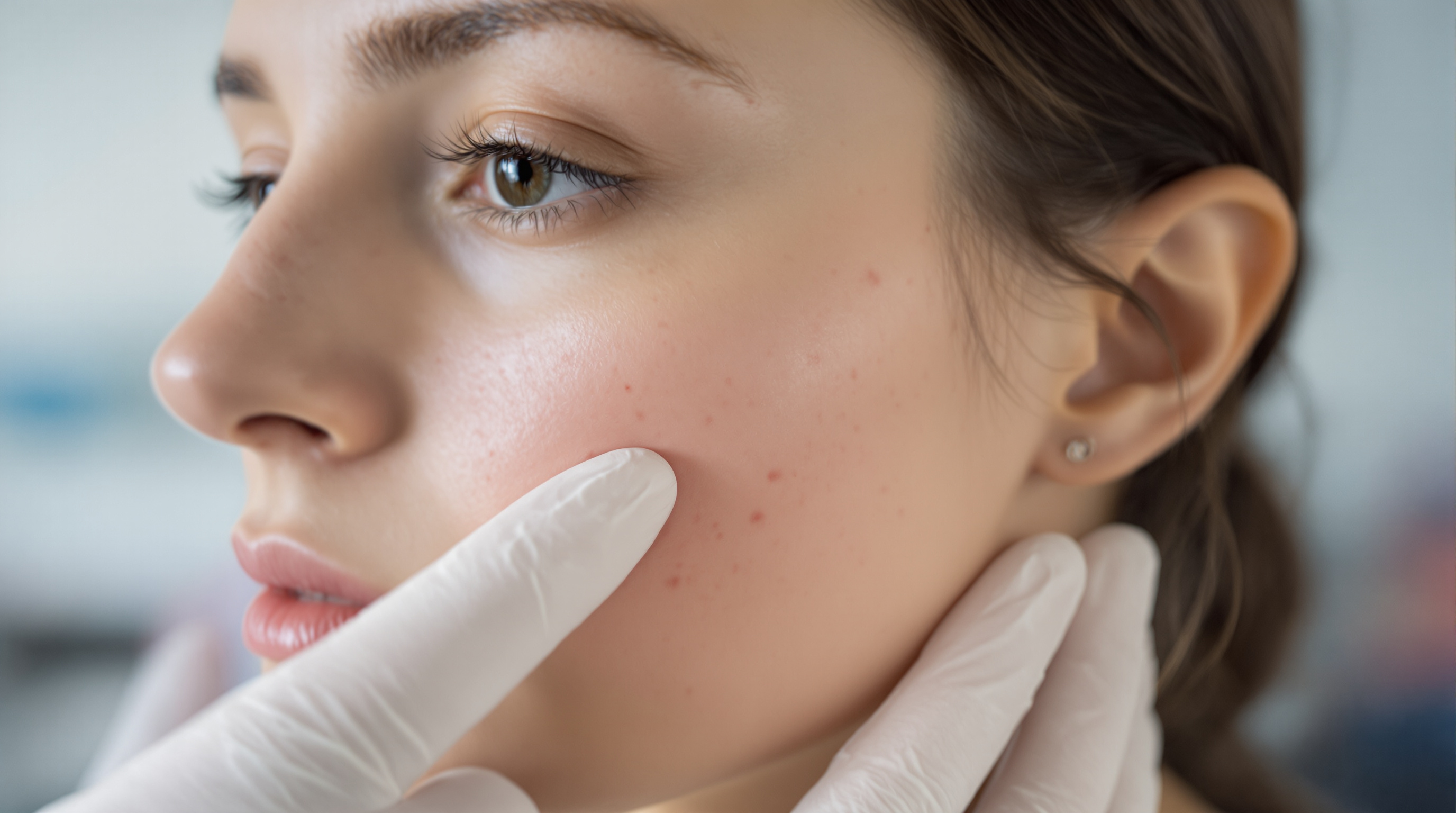
Ivermectin, Metronidazole, or Azelaic Acid: How the Three Workhorse Topicals for Rosacea Actually Differ
All three prescriptions target the bumps and pimples of papulopustular rosacea, but they work through different mechanisms, act on different timelines, and suit different skin types. Here is what the evidence says about choosing among them.
· 5 min · Nolan Achterman
 Explainer
Why Your Rosacea Doxycycline Dose Is Lower Than an Antibiotic Dose, and Why That Matters
Sub-antimicrobial doxycycline is one of the most misunderstood prescriptions in rosacea care. Here is what the 40 mg dose actually does, what it does not do, and how it compares to standard antibiotic dosing.
· 5 min · Nolan Achterman
 Explainer
Steroid rosacea: when the cream you were given makes the redness worse
Topical corticosteroids can quiet facial redness for a while, then cause a rebound that looks and behaves like rosacea. How it happens and how it is unwound.
· 6 min · Nolan Achterman
 Explainer
Demodex mites and rosacea: what the tiny face mite has to do with flares
Almost everyone carries the mite. In rosacea it shows up in force, and that changes treatment.
· 6 min · Nolan Achterman
 Dispatch
When to see a dermatologist about rosacea
Self-care has limits, and several signs mean it is time for an expert.
· 6 min · Nolan Achterman
 Dispatch
Hormones, menopause, and rosacea flushing
Hot flashes and rosacea overlap, and the timing is not a coincidence.
· 6 min · Nolan Achterman
 Explainer
Is rosacea genetic? What family history tells you
Genes load the gun, triggers and environment pull the trigger.
· 6 min · Nolan Achterman
 Dispatch
Rosacea in skin of color: why it is missed
Redness is harder to see on darker skin, and rosacea is under-diagnosed.
· 6 min · Nolan Achterman
 Explainer
Phymatous rosacea and rhinophyma: skin thickening explained
The least common subtype, where skin thickens, classically on the nose.
· 6 min · Nolan Achterman
 Dispatch
Ocular rosacea: the form that affects your eyes
Gritty, irritated eyes that patients rarely connect to their skin.
· 5 min · Nolan Achterman
 Explainer
Papulopustular rosacea: when it looks like adult acne
Inflamed bumps and pustules without blackheads, on a red central face.
· 7 min · Nolan Achterman
 Explainer
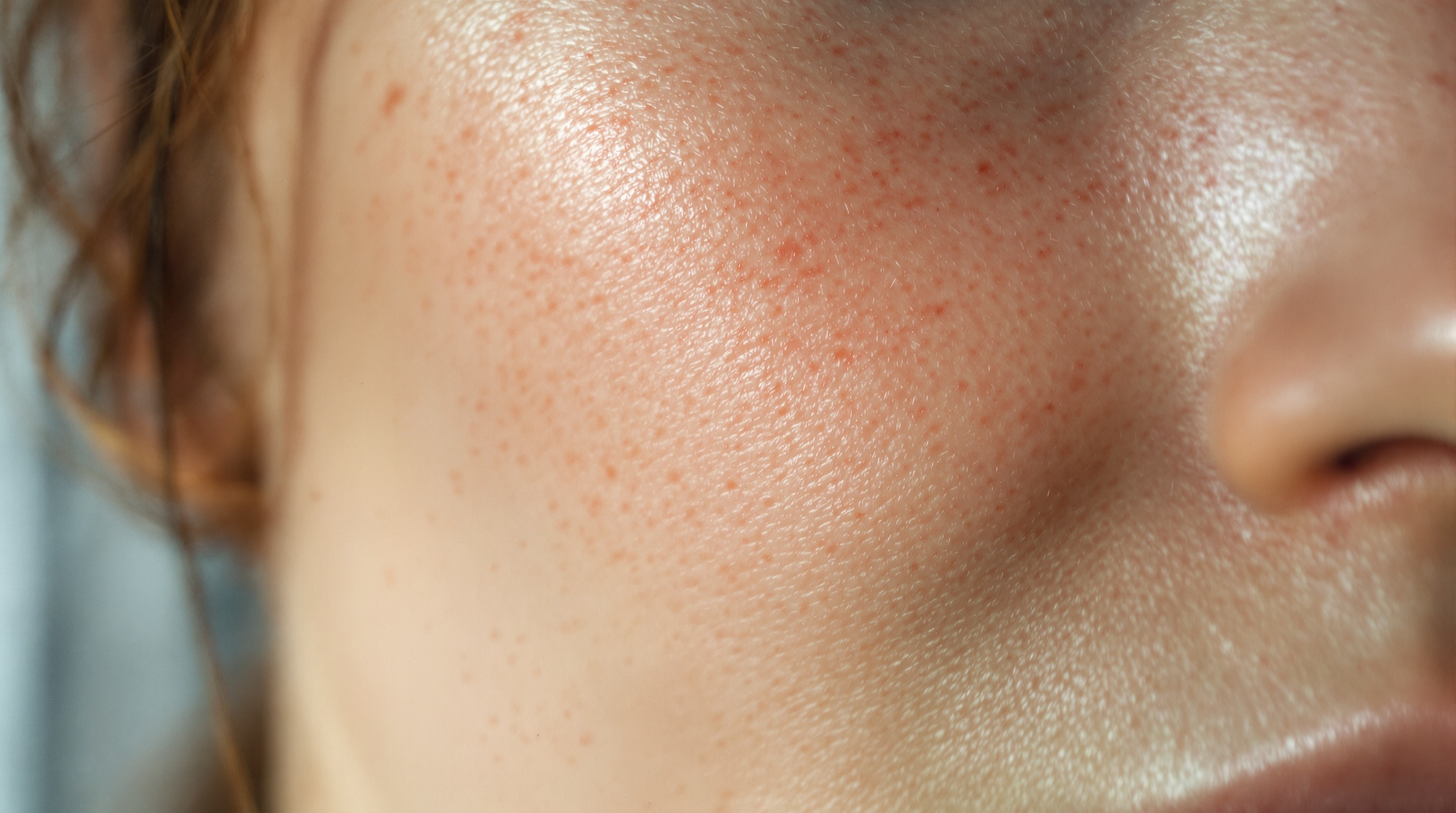
Erythematotelangiectatic rosacea: the flushing and redness subtype
Persistent central redness and visible vessels, the most common pattern.
· 7 min · Nolan Achterman
 Dispatch
Rosacea, acne, or seborrheic dermatitis? Telling facial redness apart
Three common conditions overlap on the central face, and need different care.
· 6 min · Nolan Achterman
 Dispatch
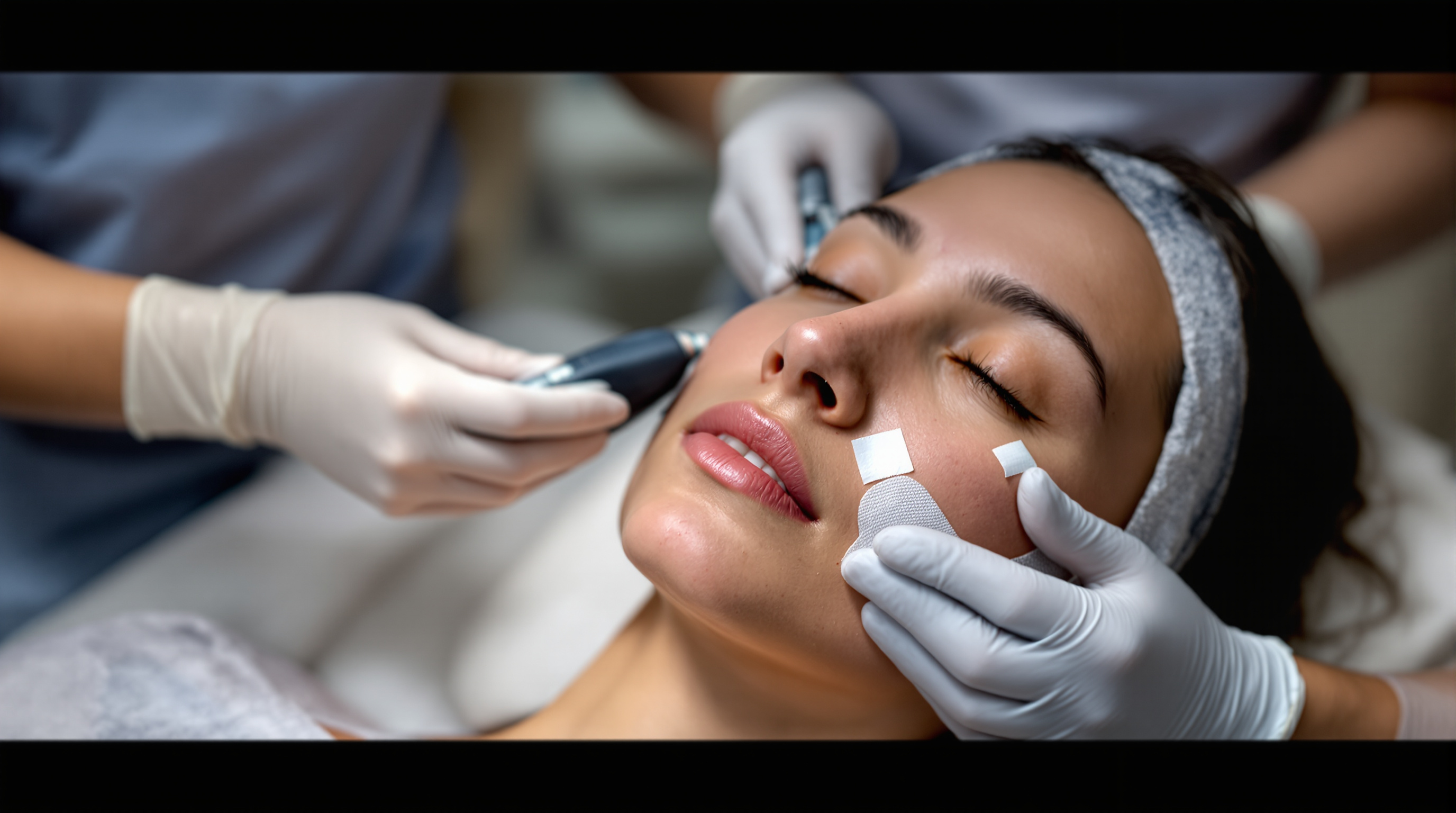
Laser and light therapy for facial redness and vessels
The only treatments that durably reduce visible blood vessels.
· 7 min · Nolan Achterman
 Dispatch
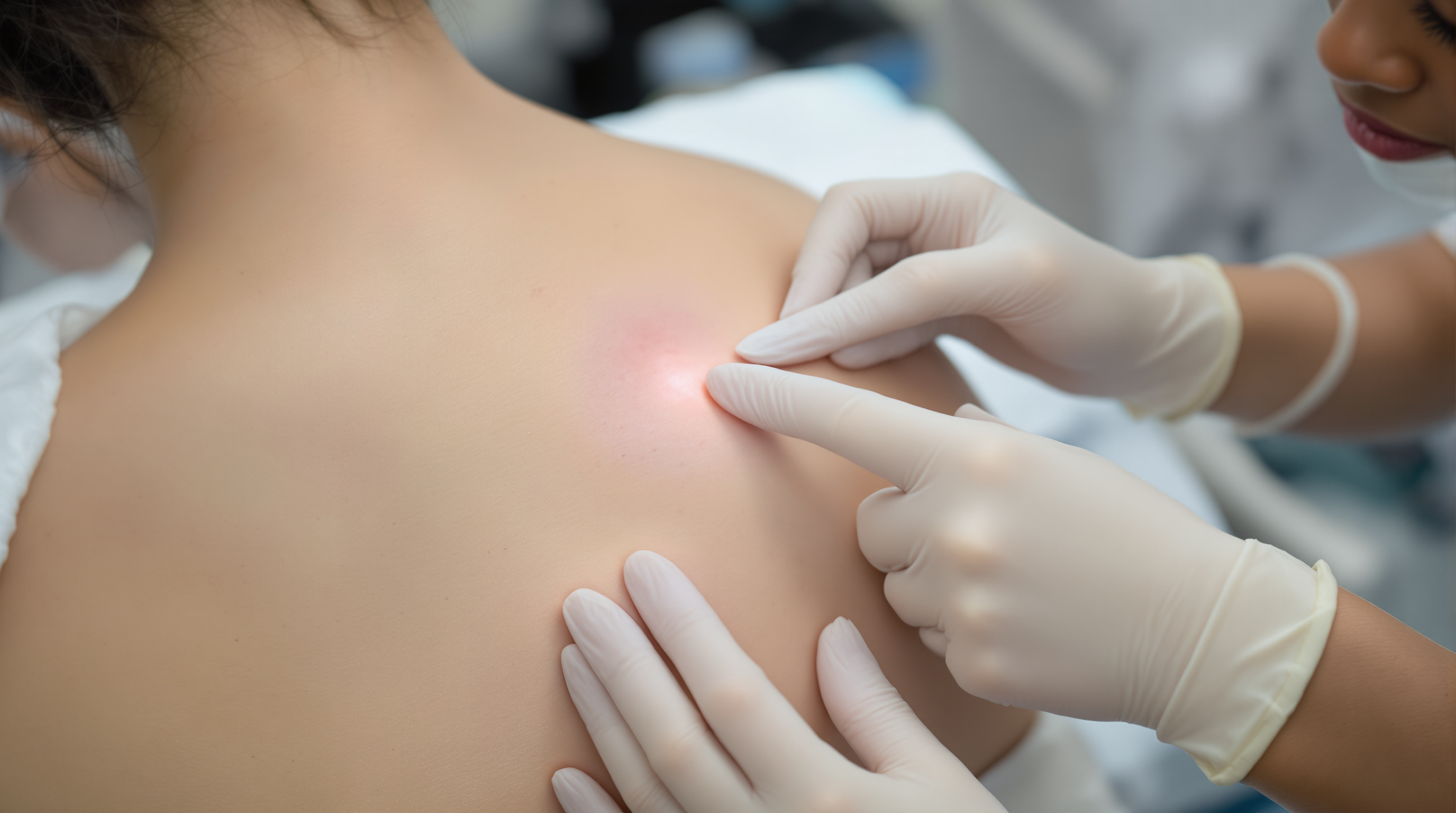
Topical treatments for rosacea that actually work
Metronidazole, ivermectin, azelaic acid, and what to skip.
· 6 min · Nolan Achterman
 Dispatch
Identifying your rosacea triggers
Heat, sun, alcohol, spicy food, stress, the flare map is personal.
· 5 min · Nolan Achterman